How PatientLens AI is Giving Doctors Their Evenings Back
Transforming Hospital Discharge Workflows with AI
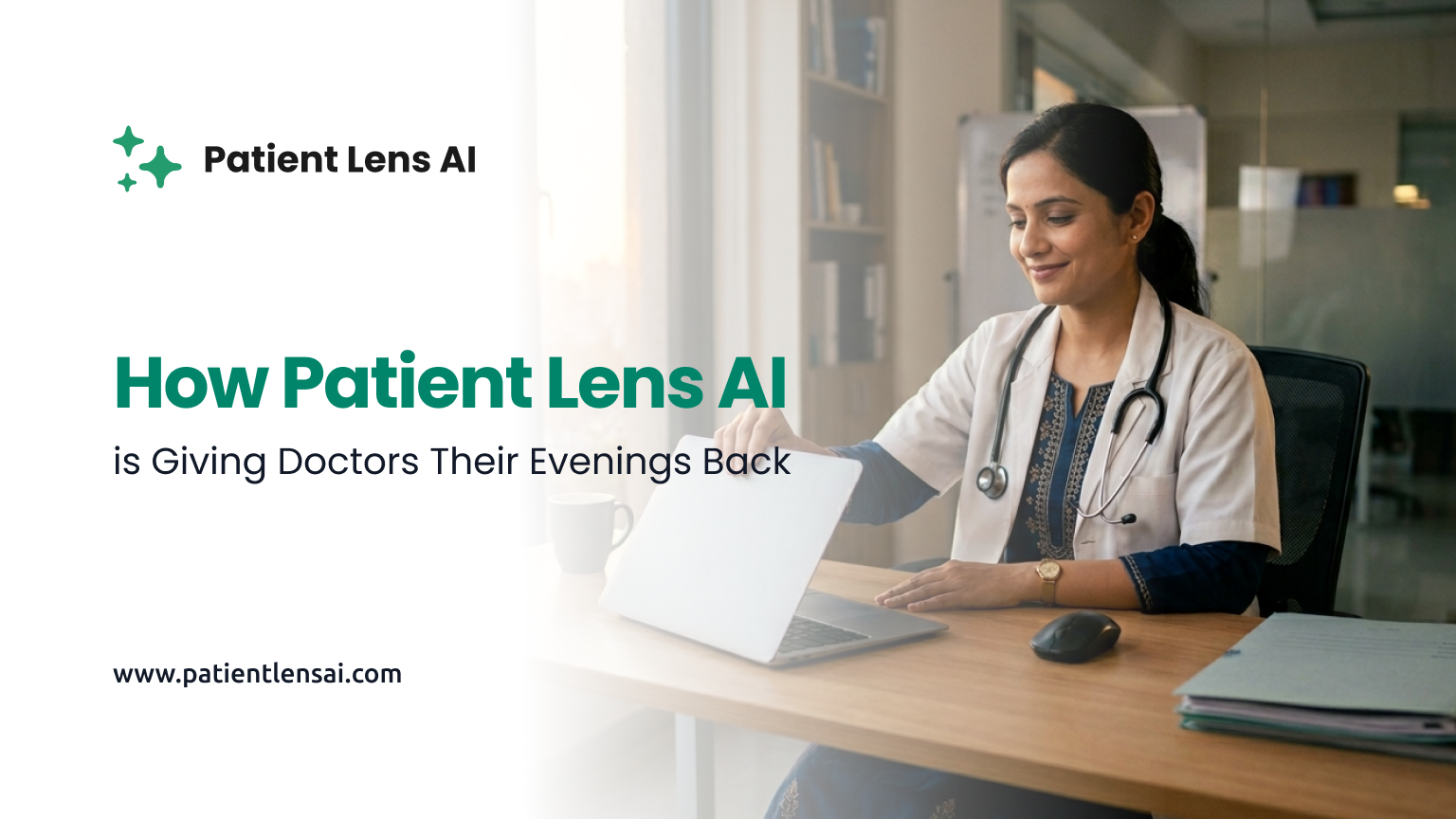
For years, doctors have quietly paid what many call an "administrative tax."
After a full day of patient care, they open their laptops again at home to finish documentation. Discharge summaries. Coding clarifications. Formatting corrections. Claim queries.
This after-hours charting is often called "pajama time."
It affects morale. It increases burnout. And it slows hospital operations.
At PatientLens AI, our mission is simple: help hospitals run smoothly and stay compliant with digital tools for discharge, claims, and medical records management.
When documentation becomes easier, doctors get their evenings back. Hospitals discharge patients faster. MRD teams clear backlogs. Revenue flows without friction.
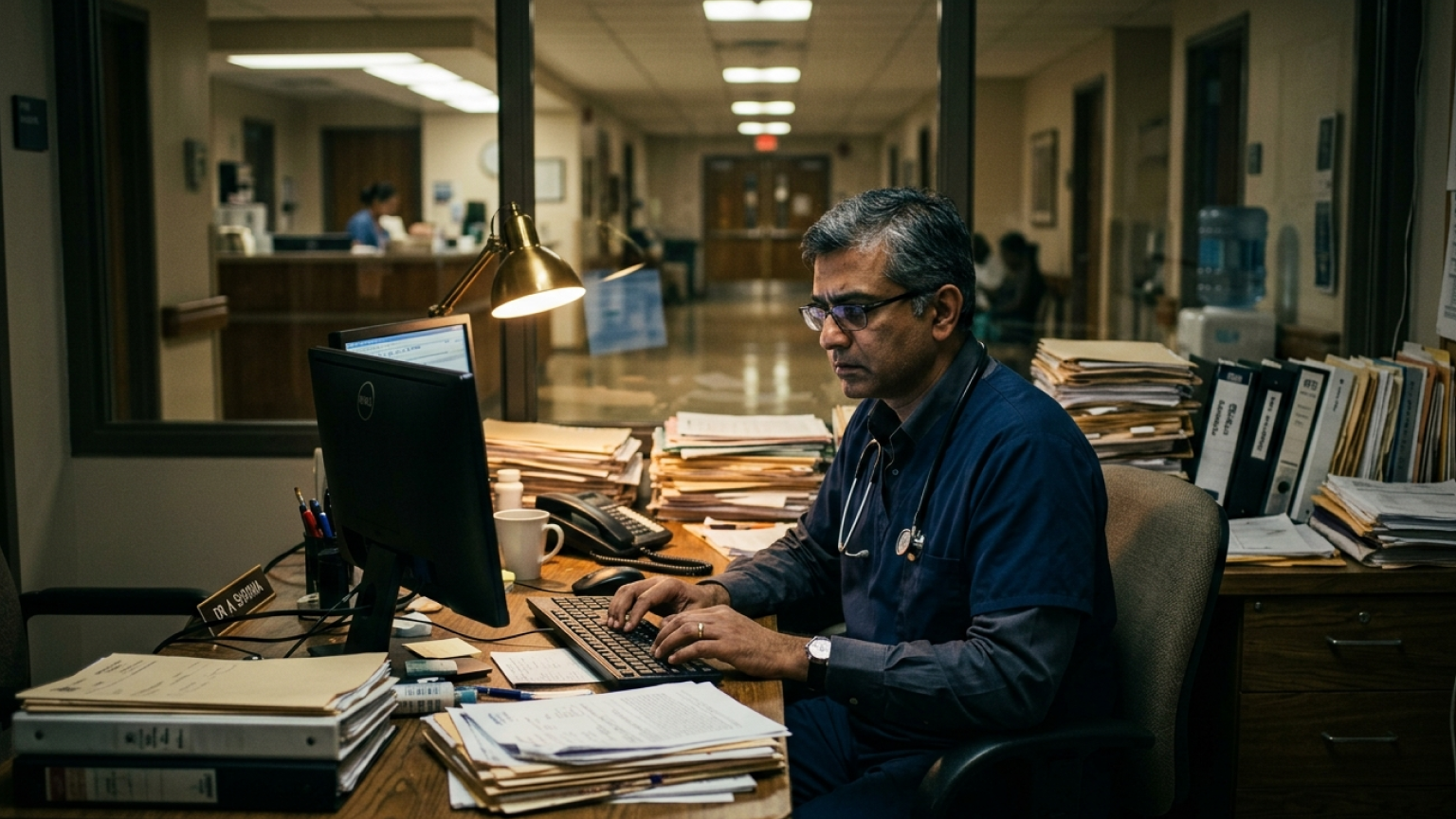
Doctors train for years to treat patients — not to spend hours typing into hospital systems.
Yet documentation now consumes a significant part of a physician’s day. Discharge summaries alone can take 20–40 minutes each, depending on case complexity.
Multiply that by 10–15 discharges a day.
That’s hours lost.
Discharge summaries are not simple notes. They must include:
Most of this is done manually. Doctors copy data from multiple screens. They re-check lab results. They correct formatting. They adjust wording for compliance.
One missed detail can delay a claim or trigger an audit query.
This pressure builds — day after day.
When doctors take work home, the impact spreads beyond fatigue.
Hospitals may see:
Burnout is not just a personal issue. It is an operational and financial issue.
Replacing a physician is expensive. Delayed claims hurt revenue cycles. Compliance gaps increase audit risk.
Hospitals need a smarter system.

This is where PatientLens AI steps in.
PatientLens AI is designed specifically for hospitals between 20 and 500 beds. It focuses on the most time-consuming documentation task: discharge summaries.
Instead of typing everything manually, doctors review and approve AI-generated drafts.
PatientLens AI:
Doctors stay in control.
They review. They approve. They finalize.
The heavy lifting is automated.
At a 250-bed multi-specialty hospital (anonymized example), documentation delays were creating a three-day MRD backlog.
Doctors often stayed 60–90 minutes late.
After implementing PatientLens AI:
One senior consultant shared privately:
"For the first time in years, I am home for dinner without thinking about pending summaries."
That is the real outcome.
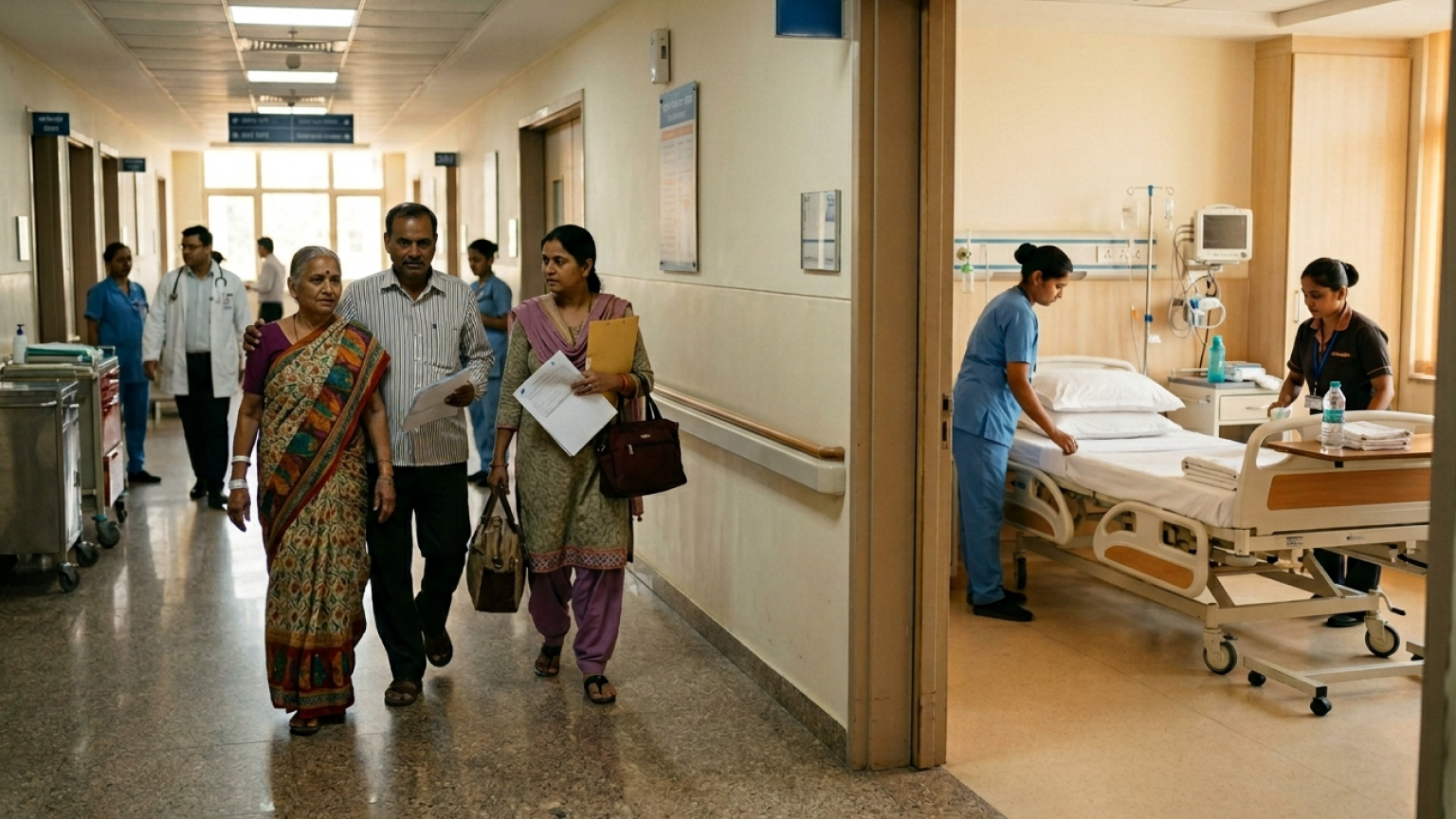
When discharge summaries are ready quickly:
Every minute saved improves hospital efficiency.
For administrators, this translates into measurable ROI.
For doctors, it means less stress at the end of the day.
AI in healthcare must be responsible.
PatientLens AI is designed with compliance and hospital-level control at its core.
Templates are aligned with accreditation standards. Documentation stays structured and audit-ready.
Every edit, review, and approval is tracked. Nothing is hidden.
Hospitals retain full control of their data. No external ownership. No compromise.
All AI-generated drafts are reviewed by clinical professionals before finalization.
This ensures accuracy, safety, and trust.
Incomplete or inconsistent discharge summaries often cause claim delays.
PatientLens AI reduces this risk by:
The result?
Hospitals see both operational and financial improvement.

Medical Records Departments often struggle with backlog and rework.
When summaries arrive incomplete or delayed, MRD teams spend hours chasing corrections.
With PatientLens AI:
MRD productivity increases without increasing staff.
Behind every discharge summary is a person.
A parent.A partner.A friend.
When documentation ends on time, doctors can:
Better-rested doctors provide better care.
This is not just about efficiency.
It is about dignity and balance.

Hospital administrators and quality officers look for three things:
PatientLens AI delivers all three.
And most importantly — doctors who leave work at work.
Our workflow is simple and structured:
All AI-generated drafts are reviewed by human experts. Medical claims require clinical reviewer approval before publishing.
Hospitals maintain full oversight at every step.
Healthcare is evolving.
Automation is no longer optional. It is necessary.
But automation must be safe, compliant, and hospital-controlled.
PatientLens AI was built specifically for this reality.
We believe technology should give time back — not take it away.
And when discharge summaries no longer consume evenings, everyone wins.

If your hospital is experiencing:
It is time to explore a smarter solution.
👉 Book a Demo today and see how PatientLens AI can transform your discharge workflow.
Doctors should end their day knowing their work is complete.
Not carrying it home.
PatientLens AI helps hospitals reduce the administrative burden, improve compliance, and create a smoother discharge process.
Because when hospitals run better, doctors live better.
And that is a future worth building.
Discharge summaries require detailed clinical information, including diagnosis, treatments provided, lab and imaging results, medication reconciliation, and follow-up instructions. Doctors often collect this information from multiple hospital systems and format it according to compliance standards, which makes the process time-consuming.
PatientLens AI automatically extracts structured clinical data from hospital systems and generates a draft discharge summary. Doctors simply review, edit if necessary, and approve the final document. This significantly reduces manual typing and repetitive documentation work.
No. PatientLens AI assists physicians by preparing structured drafts. The treating doctor always reviews and approves the final discharge summary before it becomes part of the official medical record.
Hospitals implementing AI-assisted discharge documentation typically report 30–45% faster completion of discharge summaries, allowing physicians to finish documentation during their workday instead of after hours.
Yes. PatientLens AI is designed to integrate with existing Hospital Information Systems (HIS), EMR, and EHR platforms, allowing hospitals to enhance documentation workflows without replacing their current infrastructure.
Incomplete or inconsistent discharge summaries often lead to claim queries or denials. PatientLens AI structures documentation clearly, aligns treatment information with diagnoses, and highlights potential documentation gaps before claims are submitted.
By generating standardized and structured discharge summaries, PatientLens AI reduces documentation errors and delays. This helps MRD teams process records faster, clear backlogs, and reduce time spent requesting corrections from physicians.
Yes. PatientLens AI supports NABH and JCI-ready documentation templates, ensuring discharge summaries follow structured formats that meet hospital accreditation and audit requirements.
PatientLens AI follows a hospital-controlled data model where hospitals retain full ownership of their data. The system uses secure access controls, encryption, and audit logs to ensure patient information remains protected.

AI in Healthcare Writer
A writer exploring the intersection of healthcare, technology, and patient care, bringing clarity to complex topics through engaging storytelling.
The Smarter Way to Complete Discharges
Harish Goswami
Feb 21, 2026
5 min read

The Hidden Financial Cost of Discharge Delays
Harish Goswami
Jan 31, 2026
6 min read